Practice area
Hit And Run Accidents in Beaverton, OR
Steps to take when a driver leaves the scene in Beaverton, OR, reporting deadlines, and how to ask about hiring qualified help.
Practice area
What a hit-and-run accident is
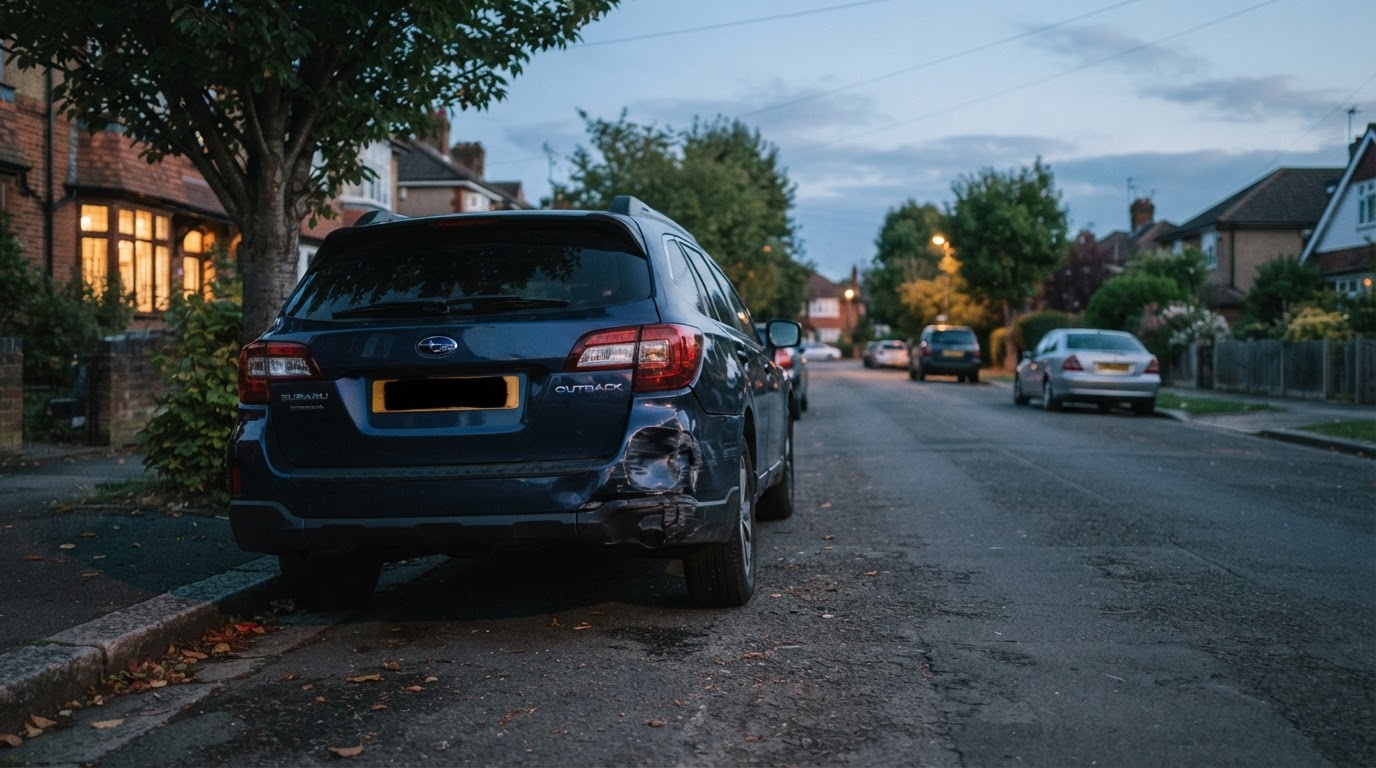
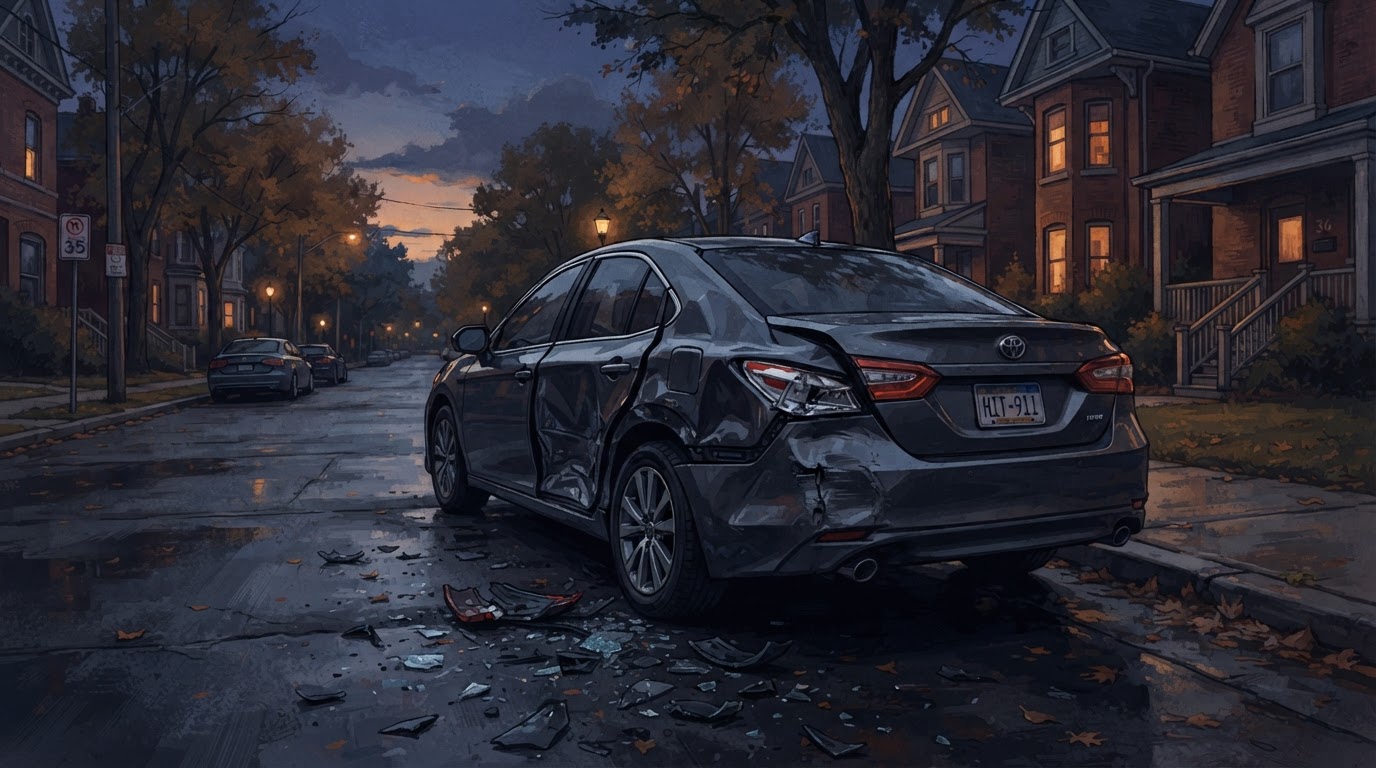
A hit-and-run accident is a crash in which a driver leaves the scene without stopping to exchange information or render aid as required. In the Beaverton area, these crashes happen on the same busy corridors as other collisions — Tualatin Valley Highway, Beaverton-Hillsdale Highway, and the surface streets around US-26 — and they can involve a parked car, a pedestrian, a cyclist, or another moving vehicle.
This page is for people who were hurt when a driver left the scene, their passengers, and family members trying to understand what comes next. It explains the steps that tend to matter, how reporting and timing work, and how to ask about hiring qualified representation. It is general information only — not legal advice — and using this page or sending an enquiry does not create an attorney-client relationship.
Oregon requires drivers to stop after a crash, and leaving the scene can raise both criminal and civil questions. Understanding the broad shape of these issues can help you preserve useful information while you decide whether to talk to a qualified attorney.
Steps that tend to matter
The first priority is your safety and health. If you're injured, get medical care — call 911 or go to an urgent care or emergency department. Some injuries aren't obvious right away, so getting checked out even when you feel okay is usually a good idea.
Report the crash to the police and ask that an officer respond to the scene if one hasn't already. A formal report creates a record that can matter for insurance and any later steps. While details are fresh, write down everything you can recall about the other vehicle and driver, the time, and the location.
If anyone witnessed the crash, ask for their name and phone number. Witnesses can disappear quickly, and their observations — including anything they noticed about the other vehicle — can be among the most useful pieces of information.
Reporting and your own coverage
Oregon requires drivers to stop after a crash and exchange information, so a driver who leaves the scene may face separate criminal consequences. That process runs on its own schedule and is separate from any civil considerations. You don't have to wait for it to finish to ask about your own situation.
When the other driver isn't identified, your own insurance may be relevant. Uninsured motorist coverage and other provisions can sometimes apply, depending on your policy. Locate your policy documents and keep notes on every conversation with your insurer.
Don't assume that an unidentified driver means no options. Whether your coverage applies is a fact-specific question — describe the crash and your policy when you ask about help, and a qualified attorney can explain what may apply.
Related crash types
What information tends to help
Useful information after a hit-and-run includes the police report and its case number, photos of the scene and any damage to your vehicle, and contact details for witnesses. If a nearby business or traffic camera may have caught the crash or the other vehicle, note its location before footage is overwritten.
Write down everything you can recall about the other vehicle — make, model, color, partial plate, damage, and the direction it went — as soon as you can, while the details are fresh. Even partial details can matter.
Keep all medical records and your insurance paperwork together. You don't need to gather everything before asking about help; a qualified attorney can often help identify what else may matter and, in some situations, help preserve it.
How timing works in Oregon
Oregon sets firm deadlines for injury claims that vary by situation. Some insurance deadlines can be shorter than the legal ones, and they're strict, so it usually makes sense to ask about your timeline early rather than assume it from general rules.
Hit-and-run evidence can disappear especially fast. Camera footage is often overwritten on a schedule, witnesses become harder to reach, and vehicle damage gets repaired. The sooner information is preserved, the more likely it is to be available if it's ever needed.
If a criminal case is pending against the driver who left the scene, that process runs on its own schedule and is separate from any civil considerations. You don't have to wait for it to finish to ask about your own situation.
What can affect how serious a case is
Factors that can influence a hit-and-run crash include whether the driver is identified, the seriousness of injuries, the speed involved, and insurance coverage — including your own uninsured and underinsured motorist provisions. None of these guarantees any particular result, and this page doesn't value any claim.
Serious injuries — those needing surgery, ongoing treatment, or time off work — tend to involve more documentation and a longer timeline. Delayed injuries, where symptoms appear days or weeks later, are also common, which is one reason early medical evaluation matters even when you feel okay.
This page can't predict outcomes, quote values, or promise that a driver will be identified. For a sense of what your situation might involve, describe it to a qualified attorney who can ask follow-up questions.
Limitations to keep in mind
This page is general information, not legal advice, and it doesn't cover every situation. It doesn't establish that any particular attorney is available, licensed, or willing to take your case, and sending an enquiry doesn't create an attorney-client relationship.
Some details — exact deadlines, insurance limits, or whether a particular record is obtainable — depend on facts this page can't know. For anything specific to you, talk to a qualified attorney in Oregon.
Beaverton service area
This information is written for Beaverton and the surrounding Washington County communities. Oregon's rules apply statewide, but local factors — which corridors see hit-and-run crashes, which agencies respond, and where records are held — are specific to this region.
Whether any particular attorney can take a case depends on them. To ask about representation for a crash in or around Beaverton, use the form on this page or call. See our service areas page for more.
Questions
Frequently asked questions
Have questions about your situation?
Get general information and ask about hiring qualified car accident help in Beaverton. There is no obligation, and this is not legal advice.